As controlled environment agriculture expands, growers turn to data-driven irrigation for better yields and efficiency
New York, United States, 8 April 2026 – Controlled environment agriculture, also known as CEA, is becoming one of the fastest-growing areas in modern farming. While it is still smaller compared to traditional open-field farming in the United States, its growth has been remarkable. According to the USDA’s Economic Research Service, the number of CEA operations nearly doubled to around 3,000 between 2009 and 2019, while crop production from these systems increased by 56 percent.
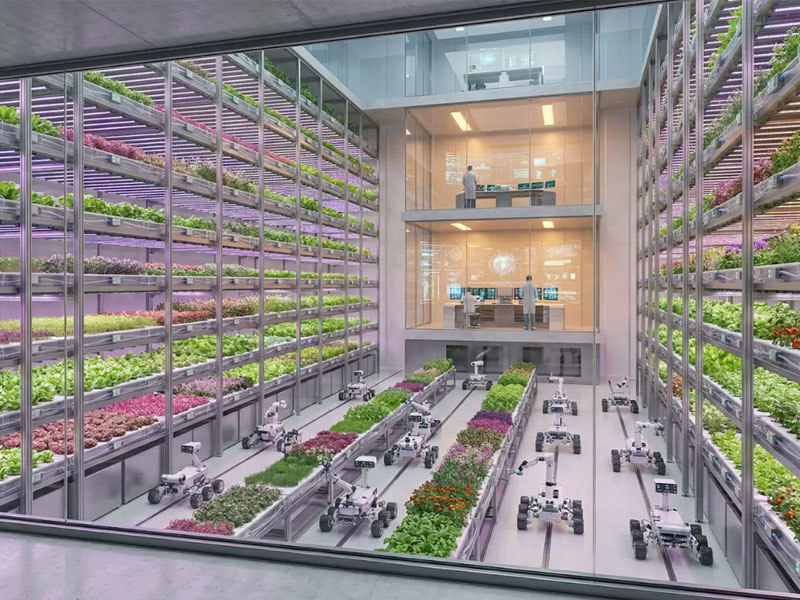
This rapid expansion is pushing growers to adopt more precise and efficient farming methods. In controlled environments like greenhouses, hydroponic systems, and indoor farms, irrigation is no longer just about supplying water. It plays a much bigger role in delivering nutrients accurately and consistently to crops.
As farms grow larger and more complex, irrigation systems must work faster and more precisely. Even small errors in nutrient delivery can affect crop quality, reduce yields, and increase the workload for farm workers. Unlike traditional farming, where natural conditions can sometimes balance out minor mistakes, CEA systems require exact control at every step.
Two key factors in these systems are pH and EC levels. pH determines how well plants can absorb nutrients, while EC, or electrical conductivity, measures the concentration of nutrients in the water. Maintaining the right balance is essential for healthy plant growth, especially in hydroponic farming where plants rely entirely on nutrient solutions.
As operations scale up, managing irrigation becomes more challenging. Larger facilities often have multiple growing zones, more frequent irrigation cycles, and tighter production schedules. Systems that worked well on a smaller scale may struggle to keep up, leading to delays, uneven nutrient distribution, and the need for manual adjustments.
Instead of building entirely new facilities, many growers are now choosing to upgrade their existing infrastructure. This shift is largely driven by rising costs, including energy, land, and construction expenses. Retrofitting current systems allows farmers to improve efficiency without major disruptions or high investment.
Growers are increasingly looking for irrigation and fertigation systems that are reliable, easy to maintain, and capable of delivering consistent results. Technologies that offer faster response times, accurate nutrient mixing, and reduced manual work are becoming essential in modern CEA operations.
At its core, the goal of controlled environment agriculture remains the same: to produce high-quality crops efficiently and consistently. As the industry continues to grow, precision irrigation is emerging as one of the most important tools to achieve these outcomes.