
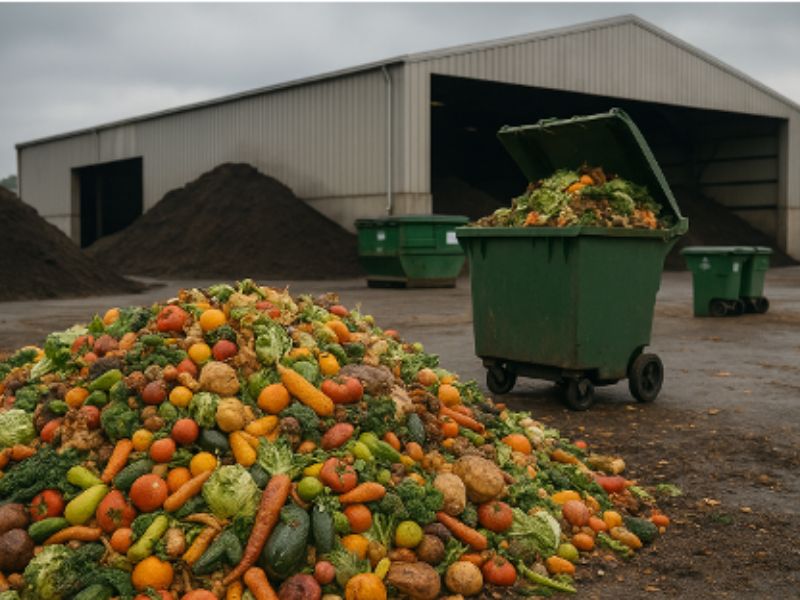
How cities like New York are turning discarded food into sustainable solutions
New York City, NY, 27 November 2025 – America is facing a growing crisis, one that begins not on farms or in factories, but in kitchens, grocery stores, and landfills. Across the country, an estimated 30-40% of all food produced is wasted. Ted Jaenicke, a professor at Pennsylvania State University, explains it in simple terms: it’s like buying three bags of groceries and throwing one away before leaving the store. During the holiday season, this problem becomes even worse.
A Massive Environmental Toll
Thanksgiving tops the list when it comes to food waste. According to the Natural Resources Defense Council, Americans throw out around 200 million pounds of turkey every year. Most of this food ends up in landfills, where it becomes nearly 25% of all solid waste.
But the bigger concern lies in its environmental footprint. As food decomposes, it emits methane, a greenhouse gas 28 times more powerful than carbon dioxide. If food waste were measured as a country, it would be the third-largest greenhouse gas emitter in the world.
Why So Much Food Gets Wasted
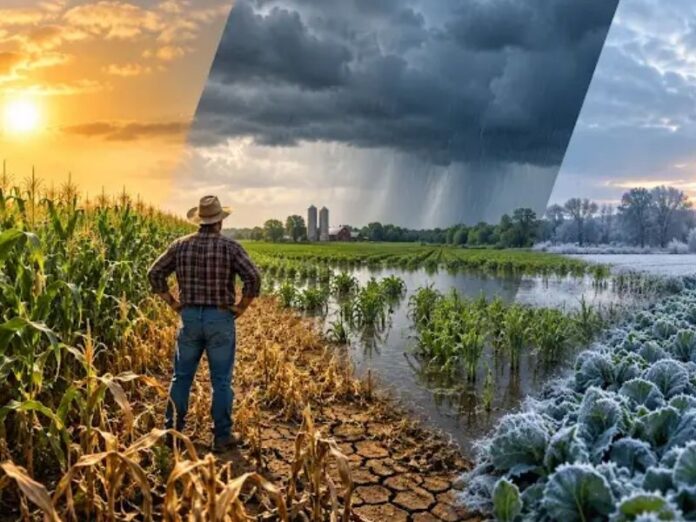
A large portion of food waste occurs before it ever reaches consumers. Farmers face strict cosmetic standards for fruits and vegetables, often discarding perfectly edible produce because it isn’t visually ideal. Weather-related disasters also play a major role. The American Farm Bureau Federation reported a 37% price surge in sweet potatoes due to hurricane damage, highlighting how climate events can lead directly to food loss.
Composting: A Promising Solution
To combat this growing problem, New York City has launched a major initiative to recycle food scraps through a composting facility on Staten Island. The facility converts food and yard waste into nutrient-rich compost. Jennifer McDonnell, NYC’s Deputy Commissioner of Solid Waste Management, calls composting a key step toward a circular and sustainable waste system.
Composting offers several major benefits:
Microorganisms do the work naturally, breaking down organic material and turning it into something beneficial instead of harmful.
Citywide Action to Reduce Waste
New York City now requires residents to separate their food and yard waste from regular trash. Participation is still low, under 10% but the city plans to increase engagement through fines and public education.
Programs like the city’s Trash Academy teach residents how to sort waste correctly. Similar efforts in other regions have shown that participation climbs steadily over several years.
The Bigger Goal: Building a More Sustainable Future
Food and yard waste together make up 30-35% of the average household’s trash. Reducing this portion is essential for long-term environmental progress. Even small improvements in composting participation can make a major difference.
New York City’s model shows that with education, infrastructure, and community involvement, meaningful change is possible. Addressing food waste isn’t just about saving money; it’s about protecting our environment, reducing emissions, and building a more sustainable future for generations to come.

Latest News

Agricult Outlook is a premier destination for navigating the future of agriculture through ground-breaking technological advancements. As the agricultural landscape undergoes a profound transformation, our magazine serves as a compass, guiding you through the realms of innovation and cutting-edge solutions.
We respect your privacy. The email address you provide will be used solely for subscription purposes and will not be stored or shared.
Subscribe Now