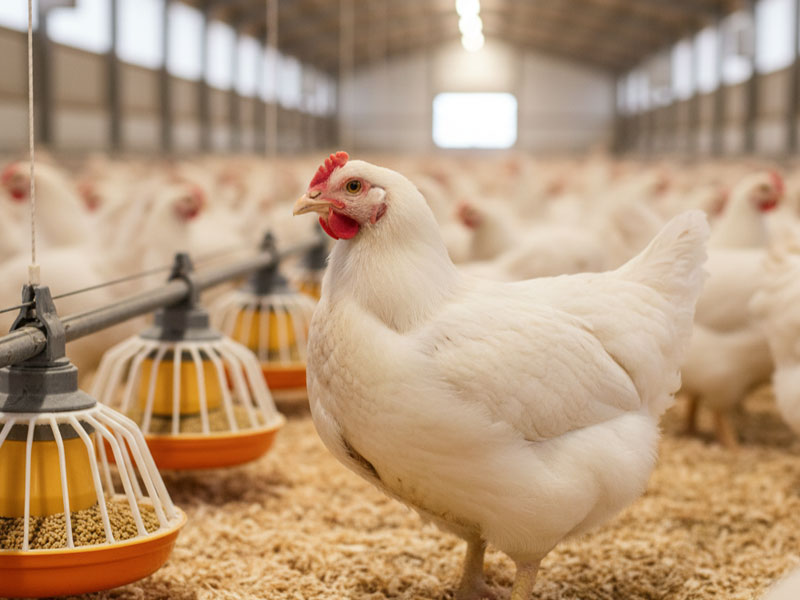
First H5 avian influenza case of the year in Wicomico County triggers swift containment measures.
Annapolis, Maryland, 16 February 2026 – Maryland agriculture officials are responding to a presumptive positive case of H5 avian influenza at a commercial broiler chicken farm in Wicomico County, marking the county’s first outbreak this year and the state’s second confirmed case in 2026. The announcement was made by the Maryland Department of Agriculture, which moved quickly to contain the situation.
All affected premises have been placed under quarantine, and birds on the property are being or have already been depopulated to prevent further spread. Officials confirmed that poultry from the affected flock will not enter the food supply. Final confirmation of the virus strain is pending from the USDA National Veterinary Services Laboratory, with results expected within days.
Avian influenza, commonly known as bird flu, is a highly contagious respiratory virus among birds. It spreads through nasal and eye secretions, manure, contaminated equipment, and even clothing or footwear. Domestic poultry such as chickens, turkeys, and ducks are most at risk, but wild birds, including geese, shorebirds, and raptors, can also carry the virus over long distances.
Health officials stress that the risk to the general public remains low. According to the Maryland Department of Health, people who do not have direct contact with poultry are unlikely to be affected. However, those working on poultry or dairy farms are advised to follow strict biosecurity measures to reduce exposure.
The state is urging commercial growers and backyard flock owners to stay alert and take preventive action. Guidance is also available from the Centers for Disease Control and Prevention, which continues to monitor avian influenza activity nationwide.
In simple terms, biosecurity means keeping disease out before it reaches birds. This includes cleaning and disinfecting vehicles and equipment, keeping wild birds away from feed, limiting visitors, washing hands before and after handling poultry, changing clothes when entering or leaving poultry areas, and using boot covers or disinfectant footbaths. Even small steps, such as removing spilled feed or cleaning shoes after visiting public places, can make a difference.
Suspected cases should be reported immediately. Poultry owners can contact the Maryland Department of Agriculture by phone or email, while sick wild birds should be reported to the Maryland Department of Natural Resources Wildlife Services hotline.
The latest case highlights how quickly avian influenza can surface, even with existing safeguards in place. For Maryland’s poultry industry and backyard flock owners alike, vigilance, early reporting, and strong biosecurity remain the most effective tools to protect birds and limit the spread of disease.