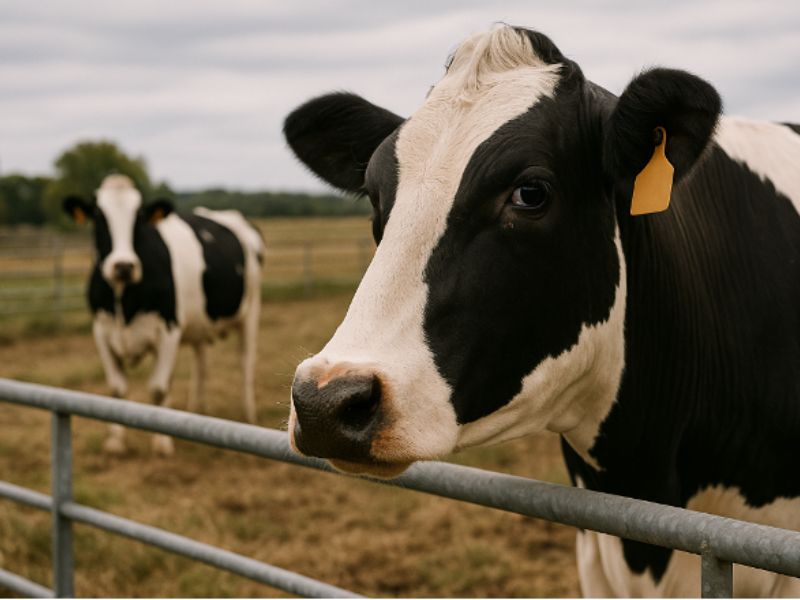
Veterinarians warn that emerging HoBi-like viruses could challenge existing herd immunity and biosecurity measures.
Regina, SK, 12 December 2025 – Bovine viral diarrheal (BVD) virus has long been recognized as one of the most economically damaging viruses in North American cattle production. Producers and veterinarians are deeply familiar with its effects, from infertility and abortions to stillbirths and calf losses. For decades, BVD vaccination has served as a core defense in cow–calf herds and feedlots across the continent.
But experts caution that the pestivirus family is evolving, presenting new threats that the cattle industry cannot afford to overlook.
Why BVD Remains a Core Herd Health Concern
BVD is a key component of routine vaccination programs endorsed by leading veterinary bodies, including the American Association of Bovine Practitioners and the Beef Cattle Research Council. Most cattle producers vaccinate annually using products that target both Type 1 and Type 2 strains, offering the broadest possible immune protection due to the virus’s genetic diversity.
Yet BVD is only one member of a larger, increasingly complex pestivirus group impacting livestock worldwide.
Beyond BVD: Other Pestiviruses on the Radar
The pestivirus family includes several pathogens capable of inflicting significant economic and animal welfare losses:
- Classical swine fever virus is a fatal disease of pigs, still circulating in parts of Central and South America and the Caribbean.
- Border disease virus is a major concern for sheep producers, causing abortions and the classic “hairy shaker lambs” syndrome.
- Cross-species transmission of BVD and border disease viruses can jump between cattle and sheep, adding another layer of risk for mixed operations.
Recent research has uncovered emerging pestiviruses that impact select regions and species, from giraffe and pronghorn pestiviruses to a more concerning threat: the HoBi-like viruses.
HoBi-like Viruses: The New Emerging Threat
Sometimes referred to as BVDV-3, HoBi-like viruses were first identified in fetal bovine serum imported from Brazil and now appear to circulate widely in parts of South America, Asia, and Europe.
These viruses behave similarly to BVD in cattle:
- causing fever and reduced white blood cell counts,
- increasing susceptibility to other infections,
- triggering abortions and persistent infections in unborn calves.
A recent report from Argentina detected the virus in the lungs of feedlot steers that died of respiratory disease, suggesting it may contribute to immunosuppression.
What remains unknown is whether North American herds are at risk or whether current BVD vaccines offer any protection against HoBi-like strains.
The Need for Vigilance and Strong Biosecurity
Although there is no evidence that HoBi-like viruses have reached North America, veterinarians emphasize that disease patterns can shift quickly in a globalized livestock industry.
BVD vaccines remain essential, but they may not guard against every emerging pestivirus. This uncertainty makes biosecurity practices more important than ever:
- limiting animal introductions,
- isolating new or returning cattle,
- monitoring herd health closely,
- and working closely with veterinarians on disease surveillance.
Veterinary researchers continue to study these newly identified viruses to better understand transmission, clinical impacts, and potential vaccine responses.