New Research Shows Why Bt Crop Stewardship Depends on the Entire Agricultural Ecosystem
Raleigh, North Carolina, 8 July 2026 – Modern agriculture depends heavily on innovation to produce healthy crops while protecting them from damaging pests. Among the most important advancements is Bt technology, which has helped farmers reduce crop losses and improve productivity for many years. However, researchers now say that keeping this technology effective requires far more than individual farmers following guidelines. It demands cooperation across the entire agricultural value chain.
A recent study by researchers from North Carolina State University and Iowa State University highlights that Bt stewardship is a shared responsibility involving seed developers, regulators, retailers, policymakers, and growers. Their findings suggest that long-term success in managing insect resistance depends on how well every part of the system works together rather than placing the responsibility on farmers alone.
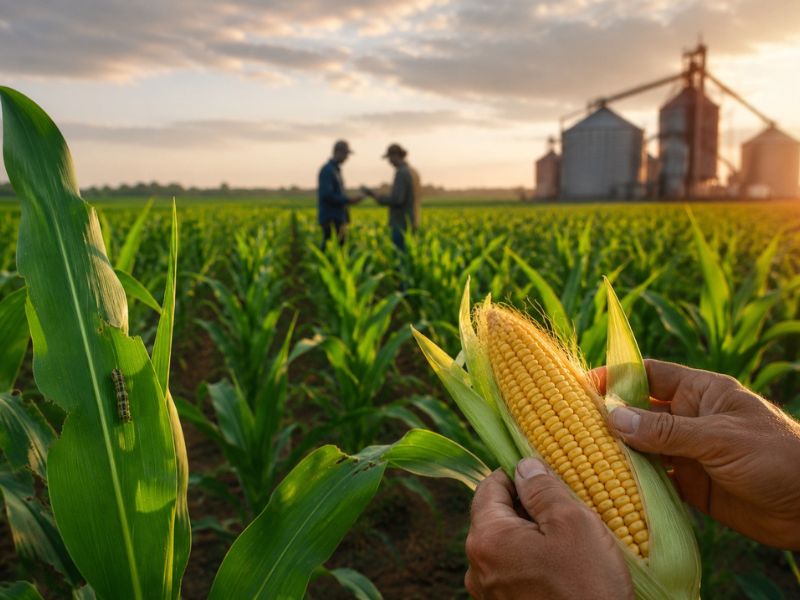
Bt crops contain naturally occurring proteins derived from the bacterium Bacillus thuringiensis. These proteins protect crops such as corn from destructive insect pests, helping farmers reduce crop damage while improving yields. To slow the development of insect resistance, growers are encouraged or required to plant a portion of their fields with non-Bt crops. These refuge areas allow populations of insects that remain sensitive to Bt technology to survive, reducing the risk of resistant insects becoming dominant.
Although the scientific principle behind refuge planting is well established, researchers found that several challenges make implementation more difficult. Limited availability of high-performing non-Bt seed varieties, inconsistent regulatory enforcement, and commercial pressures throughout the seed industry can all influence whether stewardship practices are successfully adopted. These factors show that resistance management is shaped by the entire agricultural system rather than by a single decision made on the farm.
The study also points to the importance of understanding human behavior and business decisions alongside agricultural science. Researchers believe that including experts from social sciences can help identify why stewardship programs sometimes struggle and how better policies can encourage greater participation across the industry. Instead of focusing exclusively on grower compliance, future strategies could create stronger incentives for every stakeholder involved in producing and distributing seed.
Seed companies also have an important role to play. Developing insect-resistant crop varieties is only one part of the process. Ensuring that suitable refuge seed is available, supporting stewardship education, and working closely with regulators are equally important in maintaining the long-term value of Bt technology. Since developing and commercializing new crop hybrids takes several years, early planning and coordinated action become essential.
The findings arrive at a time when global agriculture faces growing pressure to increase food production while managing environmental challenges. Protecting existing crop technologies can help farmers maintain productivity without relying solely on the development of entirely new solutions. Effective stewardship also supports sustainable farming by extending the usefulness of valuable agricultural innovations.
The research encourages a broader approach to insect resistance management. By strengthening collaboration between scientists, seed companies, policymakers, retailers, and growers, the agricultural sector can improve the long-term performance of Bt crops while supporting reliable food production. The study serves as a reminder that successful agricultural innovation depends not only on scientific breakthroughs but also on strong partnerships throughout the entire farming ecosystem.