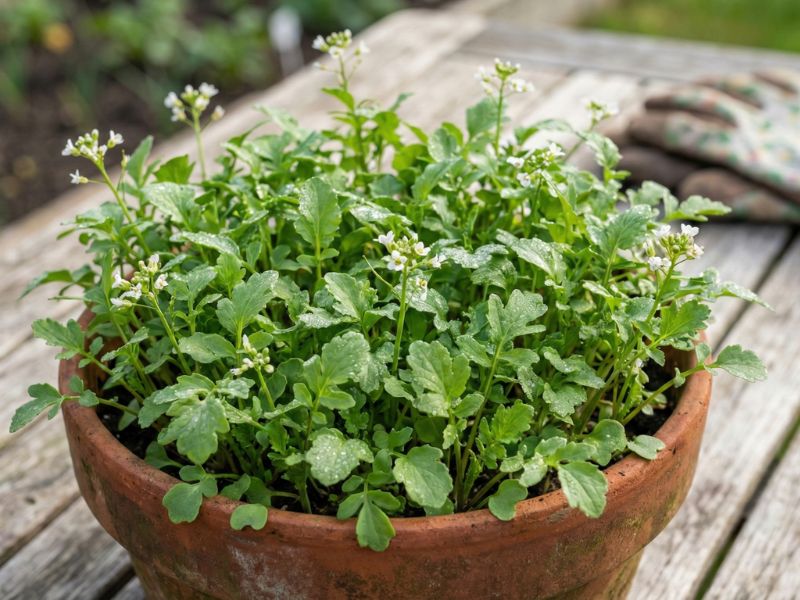
Rising demand for superfoods, plant-based diets, and functional nutrition is pushing the garden cress market toward steady global expansion
New York, United States, 25 February 2026 – Garden cress, a fast-growing and nutrient-dense seed, is quietly becoming a major player in the global health and wellness industry. Once limited to traditional kitchens and home remedies, it is now gaining attention from food manufacturers, nutraceutical brands, and urban farmers worldwide.
The global garden cress market was valued at US$ 127.1 million in 2022 and is projected to reach US$ 193.5 million by 2031. The market is expected to grow at a steady pace, registering a compound annual growth rate of 6.2 percent during the forecast period from 2024 to 2031. This growth reflects increasing consumer interest in natural, plant-based, and functional food ingredients.
In the United States, garden cress is finding new life in nutraceutical and functional food products. In early 2026, several brands expanded their portfolios with garden cress seed extracts aimed at addressing iron deficiency and supporting women’s health. The ingredient is also being added to smoothies, protein blends, and wellness drinks, driven by the growing preference for clean-label and nutrient-rich foods. Earlier organic farming initiatives promoted garden cress as a quick-harvest microgreen, especially suited for urban agriculture.
Japan is also witnessing rising adoption. Health food companies introduced garden cress-based supplements focused on digestive and metabolic wellness. The popularity of microgreens in urban homes has boosted seed demand, while food manufacturers have started using garden cress in fortified bakery and ready-to-eat products to enhance nutritional value without altering taste.
Industry activity is not limited to product innovation. In a notable strategic move, Freshara Agro Exports Limited approved the acquisition of two Spanish entities to strengthen its agri-food presence in Europe. Such developments highlight growing cross-border interest in garden cress and related ingredients.
Key players shaping the market include Udeep Organic, Himalayan Natives, Moksha Lifestyle Products, Pristine Organics, Sorichorganics, Rr Agro Foods, West Coast Seeds, Kitazawa Seed Company, Nutriwish, and Shreeji Foods. These companies are focusing on organic sourcing, improved packaging, and wider online distribution to reach health-conscious consumers.
Looking ahead, the global garden cress market is expected to see stronger momentum between 2026 and 2033. Rising demand for organic and non-GMO seeds, advancements in cold-pressed seed oil extraction, and better shelf-stable fortified powders are supporting market expansion. Manufacturers are also adopting automation and precision farming methods to improve yield quality and reduce water usage.
From a regional perspective, North America leads the market with a 28 percent share, driven by strong demand for superfoods and dietary supplements. Europe follows closely, supported by plant-based diets and herbal ingredient usage, with Germany emerging as a key contributor. Asia-Pacific is an important growth region as awareness of herbal nutrition and traditional remedies continues to rise. Japan, the United Kingdom, South Korea, Canada, and the Middle East and Africa are also showing steady adoption across food, wellness, and traditional medicine applications.
The market is segmented by nature into organic and conventional products, with organic gaining faster traction. Packaging formats such as pouches and glass bottles are popular, while e-commerce has become a major distribution channel alongside supermarkets and specialty stores. Applications extend beyond food into pharmaceuticals, cosmetics, and wellness products.
Several factors are driving this growth. Garden cress is rich in vitamins, minerals, antioxidants, and plant-based protein, making it attractive to health-focused consumers. The rise of vegan and functional diets, the expansion of urban farming, and the growing use of cosmetics and traditional medicine are further strengthening demand. Sustainability initiatives and government support for eco-friendly farming practices are also helping producers scale up responsibly.
As consumers continue to seek natural and functional ingredients, garden cress is moving from niche status to mainstream relevance. Its versatility, nutritional value, and compatibility with modern health trends position it as a promising ingredient in the future of global food and wellness markets.