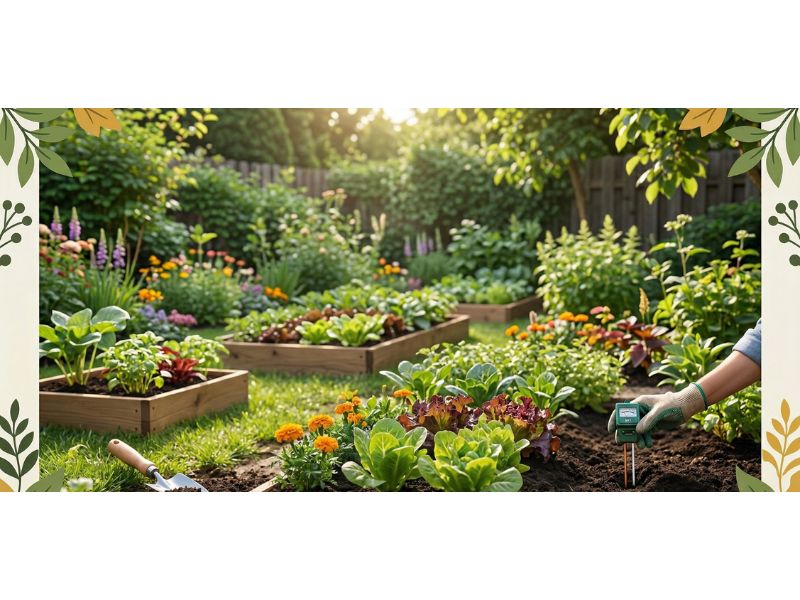
Simple organic methods gardeners can use to make soil more acidic and help plants absorb nutrients effectively
New York, 4 March 2026 – Healthy soil is the foundation of a successful garden. One important factor that determines how well plants grow is soil pH. If the soil is too alkaline, plants may struggle to absorb important nutrients. Fortunately, gardeners can improve soil health by lowering soil pH using several natural and organic methods.
Understanding soil pH is the first step toward growing healthier vegetables, fruits, and flowers. Soil pH measures how acidic or alkaline the soil is on a scale from 0 to 14. A value of 7 is considered neutral. Numbers below 7 indicate acidic soil, while numbers above 7 represent alkaline soil.
Most plants grow best in slightly acidic to neutral soil, typically with a pH between 6.0 and 7.0. However, some plants prefer more acidic soil conditions. These include blueberries, azaleas, rhododendrons, cranberries, magnolias, potatoes, and apple trees. When soil becomes too alkaline, plants may struggle to absorb essential nutrients such as iron, zinc, and manganese. This often results in yellow leaves, slow growth, and poor crop yields.
How to know if your soil needs more acidity
The most reliable way to determine soil pH is through a soil test. Gardeners can use a home soil testing kit or send samples to an agricultural testing laboratory. Experts recommend testing soil when creating a new garden bed and then repeating the test every few years.
Soil conditions can change over time due to rainfall, fertilizers, and environmental factors. Even if plants appear healthy, checking soil pH helps ensure the growing environment remains suitable for your garden.
Organic ways to make soil more acidic
There are several natural and sustainable ways to lower soil pH without using harsh chemicals. Organic soil amendments improve both soil structure and nutrient availability.
Sulfur and sulfur-based soil acidifiers
Elemental sulfur is one of the most common and effective soil acidifiers used in organic gardening. It gradually lowers soil pH and keeps soil acidic for a longer period compared to many other products. However, sulfur works slowly. Gardeners typically apply it in late summer or fall so that the soil is ready for planting in spring.
Iron sulfate
Iron sulfate is another organic-approved soil amendment that lowers soil pH quickly. It can start changing soil conditions within three to four weeks. This option is particularly useful if plants show signs of iron deficiency, such as yellow leaves with green veins. However, it should be applied carefully because excessive amounts may harm plants.
Compost and leaf mold
Compost and leaf mold can help balance soil pH naturally. Although compost is usually close to neutral, mixing it into alkaline soil can gradually move the pH closer to ideal growing conditions. Compost also improves soil fertility, water retention, and microbial activity.
Organic fertilizers for acid-loving plants
Special fertilizers designed for acid-loving plants can help adjust soil conditions around specific plants. These fertilizers are available in granular or liquid forms and are typically applied in spring or fall. They work well for plants like blueberries, azaleas, and rhododendrons that need more acidic soil.
Raised beds and container gardening
Another practical option is to grow acid-loving plants in raised beds or containers filled with specialized potting mixes. This method allows gardeners to control soil conditions more easily without altering the entire garden.
Tips for adjusting soil pH successfully
Before adding any soil acidifier, always test your soil to determine the current pH level. The amount of amendment needed depends on soil texture, garden size, and the level of alkalinity.
Most soil acidifiers are spread over the soil surface, mixed into the top layer, and watered thoroughly. Always follow product instructions carefully for the best results.
When working with products such as sulfur or iron sulfate, gardeners should wear gloves, protective eyewear, and a dust mask. Avoid applying these materials on windy days.
Maintaining the right soil pH is not a one-time task. Soil conditions naturally change over time, so regular testing and periodic adjustments are necessary to keep plants healthy and productive.
By using organic soil acidifiers, compost, and proper gardening techniques, gardeners can create the ideal growing environment for a wide variety of plants while also supporting sustainable gardening practices.